What Does Sustainable, Organic or Biodynamic Wine Really Mean?
What Does Sustainable, Organic or Biodynamic Wine Really Mean?
What Does Sustainable, Organic or Biodynamic Wine Really Mean?
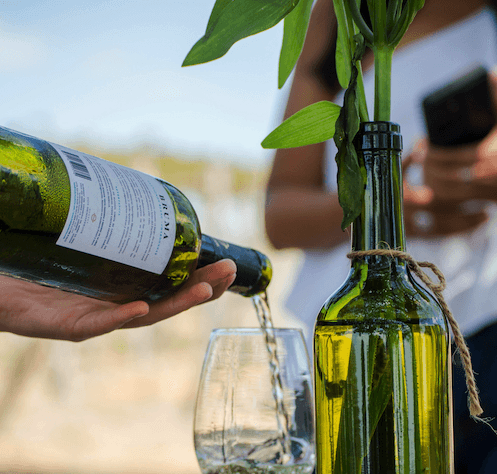
These days, walking down the wine aisle in any wine store or grocery store feels less like shopping for dinner and more like auditing a biology mid-term. You’ve seen the labels: one bottle claims it’s "Sustainable," the next boasts it’s "Certified Organic," and a third—the most expensive one—mentions something about "Biodynamics" and the phases of the moon.
It’s easy to assume they all just mean "eco-friendly," but the truth is as varied as the grapes themselves the journey from the vine to your glass is rarely a straight line.
Here’s how to break it down in simple terms so that you can discover which bottle actually matches your values (and your palate).
When you see sustainable vs. Organic vs. Biodynamic on wine labels, think about this when trying to understand what it all means, or to choose a wine that you will feel good about.
Choose SUSTAINABLE if: You care about the "Big Picture." These wineries focus on water conservation, vineyard management, renewable energy, and treating their vineyard workers fairly.
Think of it as: The Ethical Choice.
Choose ORGANIC if: You want a "Clean Label." These grapes are grown without synthetic pesticides or herbicides—just like the produce at your favorite farmer's market.
Think of it as: The Pure Choice.
Choose BIODYNAMIC if: You want "Artisanal Intensity." These winemakers treat the farm as a single living organism, often syncing their work with the lunar calendar for maximum soil health.
Think of it as: The Holistic Choice.
Make sure to look for seals on the bottle that say things like:
SIP Certified (Sustainable)
USDA Organic
Demeter (Biodynamic)
This way, you can ensure the winery is doing what it needs to, to be able to label their wines as one of sustainable, organic or biodynamic. And if you are wondering if any of these wines actually changes how it tastes, here is what you can think about as you taste the wines, as many times it does make a difference:
Sustainable = Consistency: Because these farmers focus on long-term vine health rather than short-term fixes, the wine is often more balanced and consistent year after year.
Organic = Fruit-Forward: Without synthetic fertilizers "pumping up" the vines, grapes grow at a natural pace, leading to more intense, vibrant fruit flavors that aren't masked by chemical aftertastes.
Biodynamic = Sense of Place: These wines are often described as "alive." Because they rely on natural microbes and avoid heavy filtration, they tend to have a stronger, more unique "earthy" personality that reflects where they were grown.
At the end of the day, whether a wine is guided by the phases of the moon or a strict set of laboratory standards, the best bottle is the one that aligns with your own values. You don’t need to be a soil scientist to appreciate a vineyard that treats its workers well, or a chemist to prefer grapes grown without synthetic pesticides.
And the next time you’re browsing the aisles, look past the beautifully designed labels and check for those small certification seals. Whether you’re chasing the pristine purity of an organic pour or the wild, untamed soul of a biodynamic red, you’re doing more than just picking a drink—you’re voting for the kind of footprint you want to leave on the planet.
So, pop the cork (or untwist the cap), pour a glass, and drink to a future that tastes as good as it looks.
And if you don’t care about any of these, then just pick what you like and like what you drink…
Cheers!
These days, walking down the wine aisle in any wine store or grocery store feels less like shopping for dinner and more like auditing a biology mid-term. You’ve seen the labels: one bottle claims it’s "Sustainable," the next boasts it’s "Certified Organic," and a third—the most expensive one—mentions something about "Biodynamics" and the phases of the moon.
It’s easy to assume they all just mean "eco-friendly," but the truth is as varied as the grapes themselves the journey from the vine to your glass is rarely a straight line.
Here’s how to break it down in simple terms so that you can discover which bottle actually matches your values (and your palate).
When you see sustainable vs. Organic vs. Biodynamic on wine labels, think about this when trying to understand what it all means, or to choose a wine that you will feel good about.
Choose SUSTAINABLE if: You care about the "Big Picture." These wineries focus on water conservation, vineyard management, renewable energy, and treating their vineyard workers fairly.
Think of it as: The Ethical Choice.
Choose ORGANIC if: You want a "Clean Label." These grapes are grown without synthetic pesticides or herbicides—just like the produce at your favorite farmer's market.
Think of it as: The Pure Choice.
Choose BIODYNAMIC if: You want "Artisanal Intensity." These winemakers treat the farm as a single living organism, often syncing their work with the lunar calendar for maximum soil health.
Think of it as: The Holistic Choice.
Make sure to look for seals on the bottle that say things like:
SIP Certified (Sustainable)
USDA Organic
Demeter (Biodynamic)
This way, you can ensure the winery is doing what it needs to, to be able to label their wines as one of sustainable, organic or biodynamic. And if you are wondering if any of these wines actually changes how it tastes, here is what you can think about as you taste the wines, as many times it does make a difference:
Sustainable = Consistency: Because these farmers focus on long-term vine health rather than short-term fixes, the wine is often more balanced and consistent year after year.
Organic = Fruit-Forward: Without synthetic fertilizers "pumping up" the vines, grapes grow at a natural pace, leading to more intense, vibrant fruit flavors that aren't masked by chemical aftertastes.
Biodynamic = Sense of Place: These wines are often described as "alive." Because they rely on natural microbes and avoid heavy filtration, they tend to have a stronger, more unique "earthy" personality that reflects where they were grown.
At the end of the day, whether a wine is guided by the phases of the moon or a strict set of laboratory standards, the best bottle is the one that aligns with your own values. You don’t need to be a soil scientist to appreciate a vineyard that treats its workers well, or a chemist to prefer grapes grown without synthetic pesticides.
And the next time you’re browsing the aisles, look past the beautifully designed labels and check for those small certification seals. Whether you’re chasing the pristine purity of an organic pour or the wild, untamed soul of a biodynamic red, you’re doing more than just picking a drink—you’re voting for the kind of footprint you want to leave on the planet.
So, pop the cork (or untwist the cap), pour a glass, and drink to a future that tastes as good as it looks.
And if you don’t care about any of these, then just pick what you like and like what you drink…
Cheers!
Creating Connections. Sharing Experiences.
Connect with me to learn about wines from around the world, wine & food pairings, wine collections, winemaking – or just to chat about anything wine related!
@2026 copyright. Sparacio Wine Consulting. All rights reserved.
@2025 copyright. Sparacio Wine Consulting.
All rights reserved.
@2025 copyright. Sparacio Wine Consulting.
All rights reserved.
Creating Connections. Sharing Experiences.
Connect with me to learn about wines from around the world, wine & food pairings, wine collections, winemaking – or just to chat about anything wine related!
@2026 copyright. Sparacio Wine Consulting. All rights reserved.
@2025 copyright. Sparacio Wine Consulting.
All rights reserved.